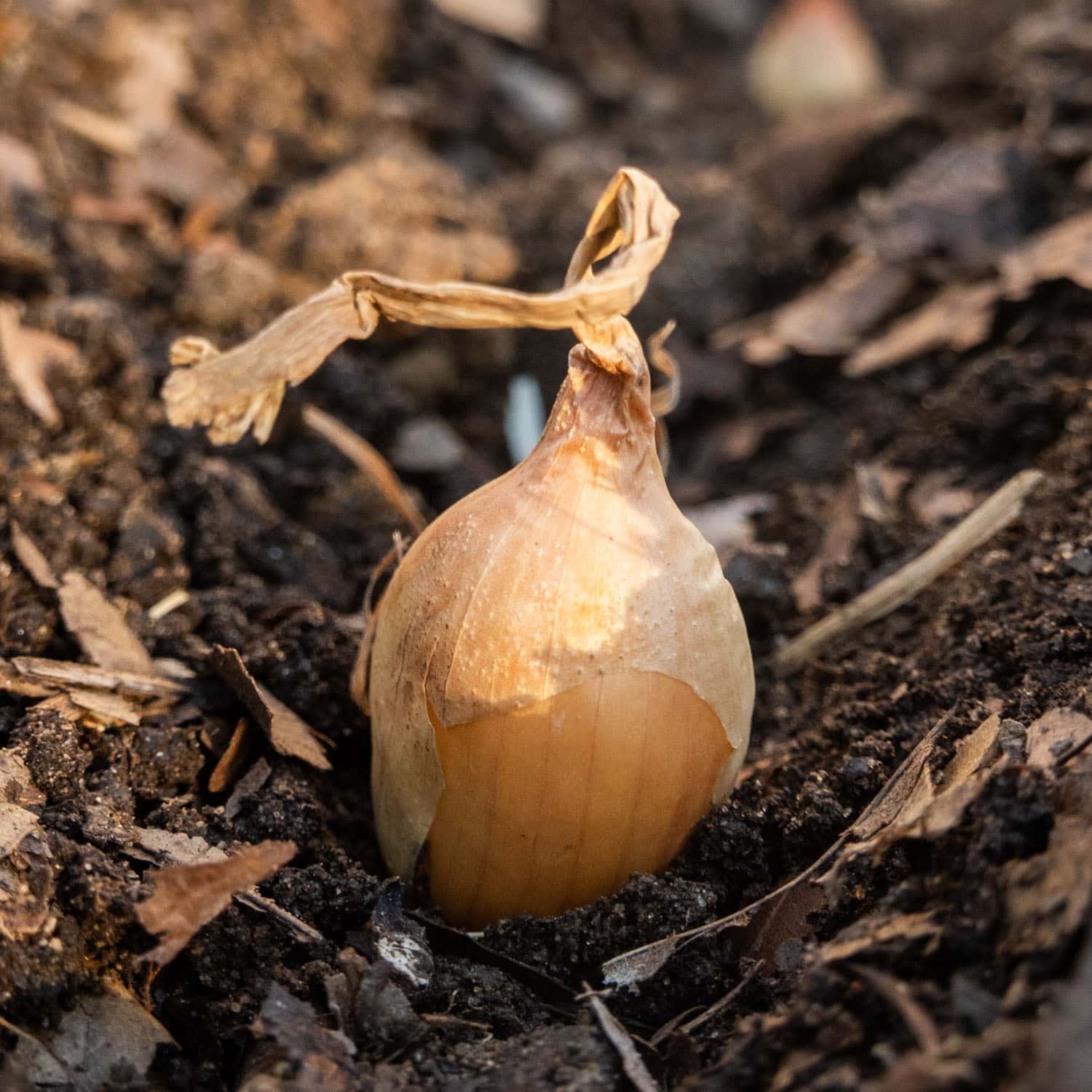
Grow Big Onions: Essential Tips for Planting Quality Sets
Cultivating your own big, flavorful onions is an immensely rewarding experience, transforming your garden into a source of culinary delight. While onions can be grown from seeds or transplants, opting for onion sets provides a significant advantage, giving you a head start and often leading to a more robust, bountiful harvest. If you're wondering
how to plant onion sets effectively to achieve those impressive, large bulbs, you've come to the right place. This comprehensive guide will walk you through every critical step, from selecting the perfect sets to enjoying your homegrown bounty.
Onion sets are essentially small, immature onion bulbs that were grown for just one season and then dried. They are little powerhouses, ready to spring into action in your garden, offering a quicker and often more reliable path to harvest compared to starting from tiny seeds. Their larger size makes them much easier to handle, less fragile, and generally more resistant to common issues like disease and premature bolting, especially when planted for overwintering. For gardeners seeking larger, faster onions with less fuss, sets are the preferred choice. You can learn more about this in our detailed comparison:
Onion Sets vs. Seeds: Plant for Larger, Faster Onions.
Selecting the Best Onion Sets for Success
The journey to growing magnificent onions begins long before you break ground – it starts with choosing the right onion sets. This crucial decision significantly impacts your harvest's size, flavor, and overall success.
*
Understand Onion Varieties: Onions come in a delightful array of types, each with unique characteristics suited for different culinary uses:
*
Yellow Onions: The most popular and versatile, known for their strong, pungent flavor and high sugar content when cooked. They're excellent for caramelizing, soups, and roasting.
*
White Onions: Featuring a milder, sweeter flavor and a firmer texture. These are perfect for fresh eating in salads, sandwiches, and salsas.
*
Red Onions: Distinguished by their beautiful purple skin and sweet, mild flavor. Often enjoyed raw in salads, on burgers, or pickled for a tangy kick.
*
Size Matters (But Not Always Bigger): It might seem intuitive that larger onion sets yield larger onions, and this is generally true. However, there's a sweet spot. Overly large sets (larger than a marble or 3/4 inch in diameter) are more prone to *bolting*, meaning they'll prematurely send up a flower stalk instead of focusing energy on bulb development. For the best balance of size and resistance to bolting, aim for
medium-sized onion sets, roughly the size of a dime to a nickel.
*
Choose by Day-Length: This is perhaps the most critical factor for successful bulb formation. Onions are sensitive to the length of daylight hours, which signals when to start forming their bulbs.
*
Long-Day Onions: Require 14-16 hours of daylight to bulb up. These are ideal for northern climates (typically above 36 degrees latitude).
*
Short-Day Onions: Need 10-12 hours of daylight for bulb development. Best suited for southern climates (typically below 32 degrees latitude).
*
Intermediate-Day Onions: A versatile option, needing 12-14 hours of daylight, making them suitable for middle latitudes.
Knowing your specific growing zone and choosing the appropriate day-length variety is non-negotiable for growing big, well-formed onions. A mismatch will result in small bulbs or no bulbing at all.
*
Inspect for Quality: Always choose firm, healthy-looking sets. Avoid any that are soft, moldy, or show signs of sprouting prematurely. Sourcing from reputable nurseries or garden centers ensures you're getting quality stock.
Preparing Your Garden for Big Onions
Once you have your prime onion sets, the next step is to create an ideal environment for them to thrive. Proper site selection and soil preparation are foundational to a successful harvest of large, healthy onions.
*
Location, Location, Location:
*
Full Sun: Onions are sun-worshippers! Choose a spot that receives a minimum of 6-8 hours of direct sunlight per day. More sun generally translates to bigger bulbs.
*
Well-Drained Soil: Onions despise wet feet. The soil must drain freely to prevent rot and disease. If your soil is heavy clay, raised beds or amending heavily with organic matter are excellent solutions.
*
Crop Rotation: Avoid planting onions or any other members of the allium family (garlic, leeks, shallots) in the same spot for at least three consecutive years. This practice helps prevent the build-up of soil-borne diseases and pests specific to these crops.
*
Soil Preparation is Key: Onions are heavy feeders and prefer rich, loose soil where their bulbs can expand without obstruction.
*
Loosen the Soil: Dig down at least 8-12 inches to loosen the soil, removing any rocks, roots, or debris. Onions need room to grow their bulbs wide and deep.
*
Check and Adjust Soil pH: Onions thrive in slightly acidic to neutral soil with a pH range of 6.0 to 7.0.
* A simple soil test kit from a garden center can give you an accurate reading.
* If your soil is too acidic (pH below 6.0), add garden lime to raise the pH.
* If it's too alkaline (pH above 7.0), incorporate sulfur or peat moss to lower the pH.
Make these adjustments several weeks before planting to allow the soil time to react.
*
Enrich with Organic Matter: This is arguably the most important step for nourishing your onions. Incorporate a generous layer (4-6 inches) of well-rotted compost or aged manure into the top 6-8 inches of your planting bed. Organic matter improves soil structure, enhances drainage, increases water retention, and provides a slow release of essential nutrients.
The Step-by-Step Guide: How to Plant Onion Sets
With your quality sets and well-prepared garden bed, you're ready for the exciting part: planting! Precision in planting depth and spacing is vital for encouraging those "big" onions you're dreaming of.
1.
Timing is Everything:
*
Spring Planting: For most regions, onion sets are planted in early spring, as soon as the soil can be worked and the danger of hard frost has passed. They are quite cold-hardy, tolerating light frosts.
*
Fall Planting (in mild climates): In regions with mild winters, planting short-day onion sets in the fall can yield an earlier spring harvest.
2.
Prepare the Bed: Lightly rake your prepared bed to create a smooth, even surface. If planting in rows, use a string line to ensure straight rows, which aids in cultivation and weeding.
3.
Proper Spacing for Big Onions: This is where many gardeners make a mistake that limits bulb size.
* For *large* onions, plant sets 4-6 inches apart within the row. Closer spacing will result in smaller bulbs, as they compete for resources.
* If you wish to harvest some young onions as "scallions" or "green onions," you can initially plant them 2-3 inches apart and then thin them out later, eating the thinnings.
* Space rows 12-18 inches apart to allow for good air circulation and ease of weeding.
4.
Planting Depth:
* Plant onion sets just deep enough so that the top tip of the set is barely visible above the soil surface, or just covered with a thin layer of soil (about 1 inch deep).
* Avoid burying them too deep, as this can hinder bulb formation. The roots grow downwards, and the bulb forms above the original set, expanding at or just below the soil surface.
5.
Gentle Firming and Watering: After placing each set, gently firm the soil around it to ensure good soil-to-set contact. Immediately after planting, give the entire bed a thorough, gentle watering. This settles the soil and provides initial moisture for root development.
For more detailed guidance on specific planting techniques and tips for optimal yields, refer to
Your Guide to Planting Onion Sets for a Bumper Harvest.
Ongoing Care and Harvesting Your Bumper Crop
Once your onion sets are nestled in their new home, consistent care will ensure they grow into those coveted big bulbs.
*
Consistent Watering: Onions need consistent moisture, especially during their active growth phase and bulb development. Aim for about 1 inch of water per week, either from rain or irrigation. Avoid letting the soil dry out completely, but also ensure it's not waterlogged. As harvest approaches and the tops begin to yellow, reduce watering to encourage curing in the ground.
*
Weed Control is Crucial: Onions are poor competitors. Weeds will quickly steal nutrients and moisture, stunting your onion growth. Keep the bed meticulously weed-free by shallow cultivation or hand-pulling. Be careful not to damage the shallow roots of the onions. A light layer of mulch can help suppress weeds and retain moisture.
*
Fertilization (If Needed): If your soil wasn't heavily amended with organic matter, a balanced granular fertilizer (e.g., 10-10-10) can be applied once after the plants are established (4-6 weeks after planting) and again a month later. Avoid high-nitrogen fertilizers late in the season, as this can promote leafy growth over bulb formation.
*
Pest and Disease Monitoring: While onion sets are relatively hardy, keep an eye out for common pests like onion thrips or diseases like downy mildew. Good air circulation (achieved through proper spacing) and crop rotation are your best preventative measures.
*
Harvesting Your Big Onions: You'll know your onions are ready for harvest when their tops start to yellow, soften, and fall over naturally. This usually occurs in mid to late summer, depending on your planting time and variety.
* Once about half to two-thirds of the tops have fallen, you can *gently* bend the remaining ones down to encourage the final stage of bulb development and skin thickening.
* Wait about a week after the tops have fallen, then carefully lift the onions from the soil on a dry, sunny day.
*
Curing: This is a vital step for long-term storage. Lay the harvested onions in a single layer in a warm, dry, well-ventilated area (like a garage, shed, or covered porch) for 2-4 weeks. Allow the outer skins to dry completely and the neck to seal. This process prevents rot and allows for storage throughout the fall and winter.
Growing big, beautiful onions from sets is a straightforward and highly satisfying endeavor for any gardener. By understanding the nuances of selection, meticulously preparing your soil, employing proper planting techniques, and providing consistent care, you'll be well on your way to a garden overflowing with quality, homegrown onions ready to enhance countless meals. Happy gardening!